
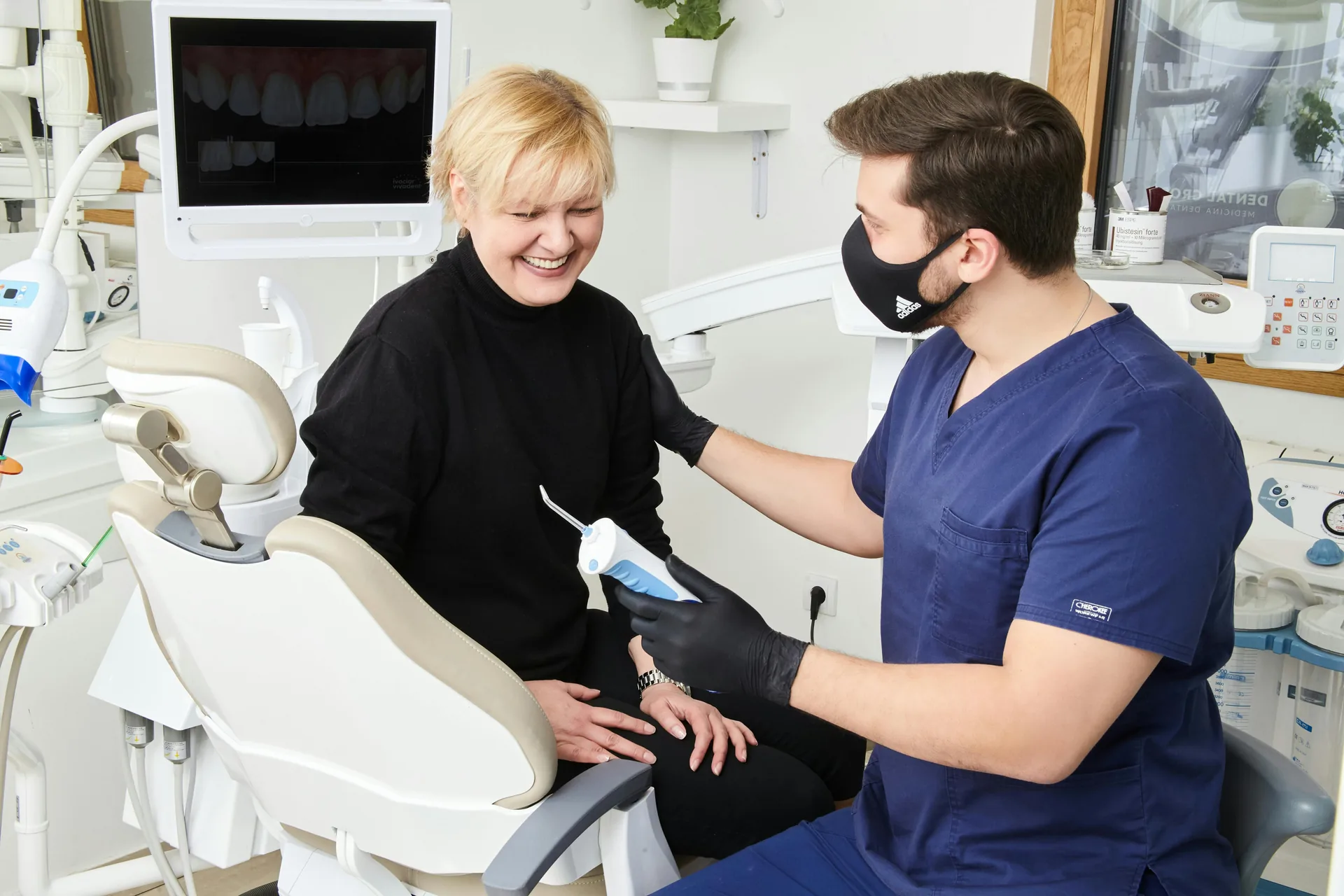
Finding the right dentist isn't just about picking the nearest office on a map — it's about choosing a long-term partner for your oral health. And that decision matters more than most people realize.
Research published in the Journal of Dental Hygiene confirms that dental anxiety is a major barrier to care, with anywhere between 9 and 15% of anxious patients avoiding the dentist altogether. A separate meta-analysis published in 2021 estimates that dental fear affects roughly 36% of the global population, with about 12% experiencing extreme dental phobia.
The takeaway? When you find a dentist you genuinely trust, you're far more likely to keep up with regular visits — and that's the single most important thing you can do for your teeth. Whether you've recently moved, changed insurance, or simply want a better experience, here are six practical tips to guide your search.
Word of mouth remains one of the most reliable ways to find a good dentist. Ask family members, friends, or coworkers about their experiences. Someone who's been visiting the same dentist for years and is genuinely happy with the care they receive is worth listening to. You can also ask your primary care physician or pharmacist — healthcare professionals tend to know each other and can point you toward reputable practices in your area.
If you're relocating to a new city, your current dentist may be able to recommend a colleague. And online directories like the ADA's Find-A-Dentist tool or curated platforms like Smyleee's Find Dentists can help you build a shortlist quickly — especially when combined with personal recommendations.
A dentist's qualifications should be one of your first checkpoints. In the United States, all practicing dentists must hold either a Doctor of Dental Surgery (DDS) or Doctor of Dental Medicine (DMD) degree from an accredited dental school and be licensed by their state dental board. Both degrees involve equivalent training — the difference in title is simply a naming convention used by different schools.
Beyond basic licensure, look for evidence of continuing education. Dentistry evolves constantly, and a good dentist stays current with new techniques, materials, and technology. Check whether the dentist is a member of the American Dental Association (ADA). ADA members commit to a code of ethics first adopted in 1866 and continuously updated, pledging to prioritize patient well-being and maintain current knowledge in the field.
You can usually find a dentist's credentials on the "About" page of their practice website. If it's not listed, don't hesitate to ask directly — a reputable practice will be transparent about their team's qualifications.
This one sounds obvious, but it's where many people slip up. If getting to your dentist's office requires a 45-minute drive across town, you're far more likely to push off that biannual cleaning. Choose a practice that's conveniently located near your home or workplace, and make sure their office hours align with your schedule.
Think about practical questions: Do they offer early morning, evening, or weekend appointments? How far in advance do you need to book a cleaning? Is the office accessible by public transit, and is parking available? These may seem like small details, but convenience is one of the biggest factors in whether people actually maintain regular dental visits.
If you're looking for highly rated dentists organized by city, Smyleee's Top 10 pages can help you quickly identify top-rated clinics close to where you live or work.
The atmosphere of a dental office tells you a lot about the practice. On your first visit — or even better, a pre-appointment consultation — pay attention to the overall environment. Is the office clean, well-organized, and modern? Is the waiting area comfortable? Does the staff greet you warmly and communicate clearly?
The front desk team and dental hygienists are often your first point of contact, and their professionalism sets the tone for your entire experience. A friendly, well-trained staff that respects your time and answers your questions patiently is a strong signal that the practice values patient care — not just patient volume.
Dental costs can vary significantly from one practice to another, even within the same city. Before you commit, get clarity on the financial side. If you have dental insurance, confirm that the dentist is in your plan's network — staying in-network can substantially reduce your out-of-pocket expenses. If you don't have insurance, ask whether the office offers payment plans, financing options, or discount programs for uninsured patients.
It's perfectly reasonable to ask for cost estimates on common procedures like a routine cleaning, full-mouth X-rays, an oral exam, or a basic filling. A transparent practice will provide this information upfront without hesitation. Be cautious of any office that's evasive about pricing or pushes expensive treatments before thoroughly explaining why they're necessary.
For a broader understanding of what dental treatments typically cost across different cities, explore Smyleee's Insurance resources to help plan your dental budget.
The ADA recommends visiting or calling more than one dental office before making your final decision. Think of it like a test drive — you need to experience the practice firsthand to know if it's the right fit. Many dentists offer initial consultations where you can meet the team, tour the facility, and discuss your dental history and concerns without the pressure of a full procedure.
During this consultation, notice how the dentist communicates. Do they take time to listen to your concerns? Do they explain treatment options in plain language rather than jargon? Do they respect your questions rather than rush through them? The relationship between you and your dentist should be built on trust — and trust requires clear, honest communication from both sides.
If you experience dental anxiety, this is the time to bring it up. A dentist who understands your fears and has strategies to help — whether it's a calm explanation of each step, sedation options, or simply a more patient demeanor — is worth choosing over a technically brilliant dentist who makes you feel uneasy.
Final Thoughts
Choosing a dentist is a personal decision, and there's no one-size-fits-all answer. The best dentist for your neighbor might not be the best fit for you. What matters most is finding someone whose expertise, communication style, office environment, and financial transparency make you feel confident about your care.
Take your time, do your research, and don't settle. Your oral health affects far more than just your teeth — it's linked to your overall health, your confidence, and your quality of life. When you find the right dentist, routine visits stop feeling like a chore and start feeling like an investment in yourself.
Ready to Find a Top-Rated Dentist?
Browse our curated clinic listings and city-by-city rankings to find the perfect dentist near you.
Sources & References
- American Dental Association — How to Find a Dentist (MouthHealthy.org)
- American Dental Association — Why Choose an ADA Dentist?
- American Dental Association — Licensure Overview
- Journal of Dental Hygiene — The Prevalence of Dental Anxiety in Dental Practice Settings (2017)
- PubMed — Estimated Prevalence of Dental Fear in Adults: Systematic Review & Meta-Analysis (2021)
- PMC — Why Are People Afraid of the Dentist? Observations and Explanations
- Humana — Tips for Choosing a New Dentist
- Delta Dental — Choosing the Right Dentist for You
- UnitedHealthcare — Choosing a Dentist
- Healthgrades — 8 Tips for Choosing a Dentist